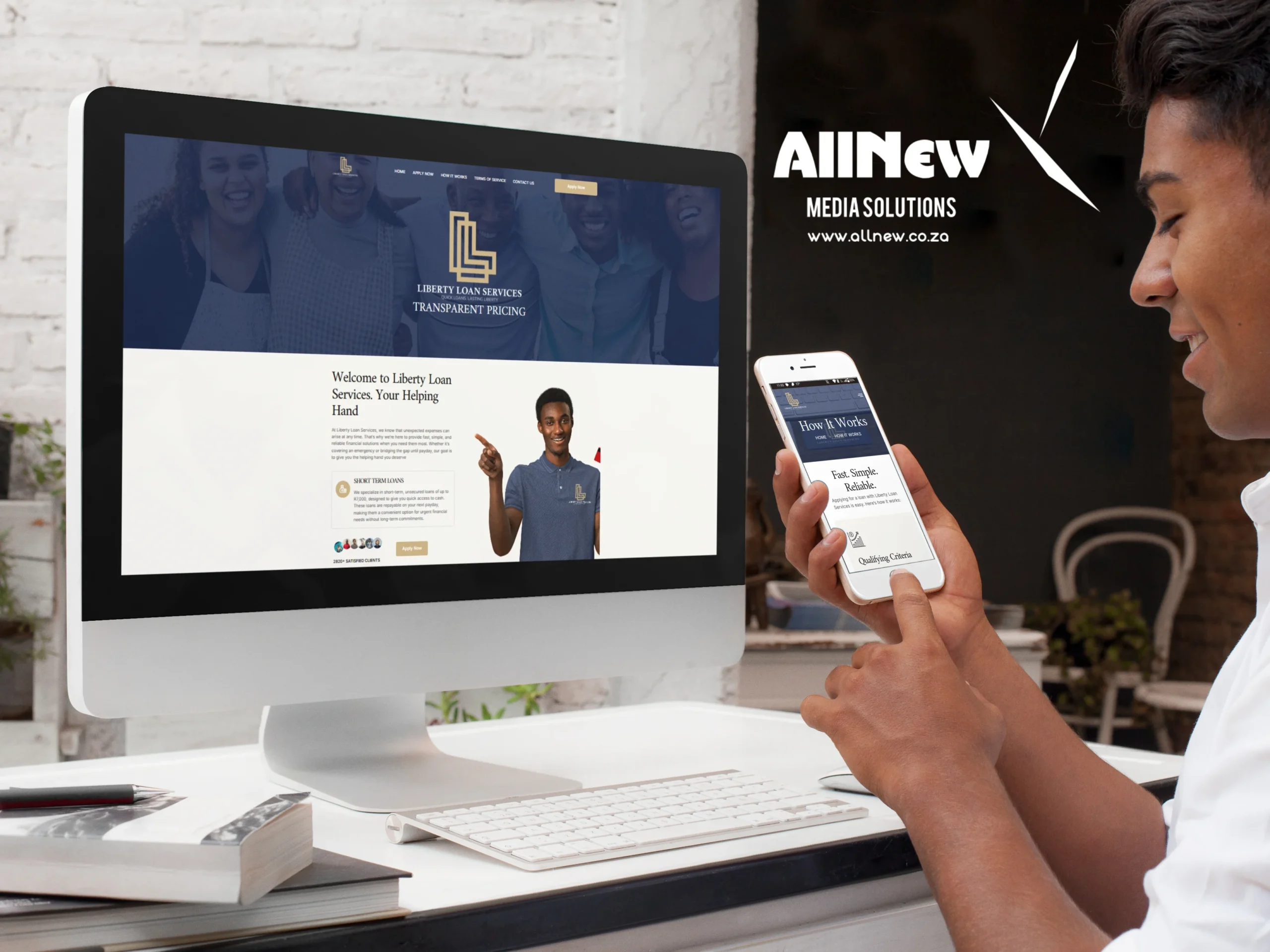
Digital Marketing Assets Every Business Needs to Market Successfully
Digital marketing assets are the foundation of every successful modern business. A vast difference to what an ideal marketing mix would be, say, 20 years ago. Without the right marketing assets, businesses struggle to build visibility, attract customers, generate leads, and compete effectively. But the internet has somewhat levelled the playing field for business of all sizes to compete for customers online. Whether you are a startup, small business, or growing company, having the correct digital marketing assets can dramatically improve your online presence and marketing results.
What Are Digital Marketing Assets?
Digital marketing assets are the tools, platforms, systems, and brand materials a business uses to market itself online professionally and consistently.
These assets help businesses:
- build credibility
- attract customers
- generate leads
- improve visibility online
- increase sales
- strengthen brand trust
Without the right assets, even great businesses struggle to compete online. Professional digital marketing assets help businesses appear more credible online.
1. Professional Branding
Branding is one of the most important foundations of digital marketing. A professional brand identity helps customers recognize and trust your business.
Essential Branding Assets Include:
- Professional logo
- Brand colors
- Fonts and typography
- Tagline or slogan
- Brand guidelines
- Consistent visual identity
Businesses with weak or inconsistent branding often appear unprofessional and unreliable.

2. A Professional Website
A website acts as your business’s digital headquarters. Social media platforms can change algorithms or disappear, but your website remains an asset you own and control.
Your Website Should Include:
- Mobile responsive design
- About page
- Products or services page
- Contact page
- WhatsApp integration
- Lead capture forms
- SEO optimization
Businesses without websites lose credibility and visibility in today’s digital economy. A website is among the most important digital marketing assets a company can own
3. Google Business Profile
One of the most overlooked digital marketing tools is a Google Business Profile.
This helps businesses appear in:
- Google Search
- Google Maps
- Local search results
Benefits Include:
- Increased local visibility
- Customer reviews
- Improved trust
- Easier customer contact
- Organic lead generation
Many businesses lose opportunities simply because customers cannot find them online.
4. Professional Content Assets
Modern marketing is visual.
Businesses need quality content that can be reused across platforms.
Important Content Assets:
- Professional business photos
- Product images
- Promotional videos
- Team photos
- Testimonial graphics
- Portfolio visuals
People are more likely to trust businesses that present themselves professionally online.
5. Social Media Presence
Businesses need a strategic social media presence, not just social media accounts.
Recommended Platforms:
- TikTok
- YouTube
The key is understanding where your audience spends time online and creating valuable content consistently. Social media alone is not enough without supporting digital marketing assets.
6. A Content Strategy
Posting randomly is not a digital marketing strategy. Businesses need structured content plans that align with their goals.
A Strong Content Strategy Includes:
- Content calendars
- Educational posts
- Promotional content
- Trust-building content
- Customer-focused messaging
- Clear call-to-actions
Good content should:
- educate
- entertain
- inspire
- convert
7. WhatsApp Business Setup
In South Africa especially, WhatsApp plays a major role in customer communication and sales.
Important WhatsApp Business Features:
- Business profile
- Product catalogues
- Auto replies
- Quick replies
- Professional profile image
For many SMEs, WhatsApp functions as a primary sales and support platform.
8. Email Marketing Systems
Email marketing remains one of the most powerful digital marketing tools available. Unlike social media, businesses own their email lists and can communicate directly with customers.
Important Email Assets:
- Email subscriber list
- Newsletter templates
- Automated email responses
- Lead generation forms
Email marketing helps businesses maintain long-term customer relationships.
9. Trust and Credibility Assets
People buy from businesses they trust.
Important Trust Assets Include:
- Customer reviews
- Testimonials
- Case studies
- Portfolio examples
- Certifications
- Media appearances
Trust has become one of the biggest competitive advantages in digital marketing.
10. SEO and Google Visibility
Search Engine Optimization (SEO) helps businesses appear on Google when customers search for related services.
SEO Essentials Include:
- SEO optimized website
- Keyword targeting
- Blog content
- Meta descriptions
- Internal linking
- Fast website performance
Businesses that rank on Google can generate leads consistently without relying only on paid advertising. SEO is one of the most valuable digital marketing assets for long-term growth.
Why Businesses Fail at Digital Marketing
Many businesses fail because they:
- market inconsistently
- lack systems
- ignore branding
- have no strategy
- focus only on social media
- fail to build trust
Digital marketing success comes from building a complete digital ecosystem.
Download the Free Digital Marketing Checklist PDF
To help entrepreneurs and businesses evaluate their digital marketing readiness, we have created a downloadable checklist covering all the essential assets discussed in this article.
✅ Branding Checklist
✅ Website Essentials
✅ SEO Requirements
✅ Social Media Assets
✅ Google Business Profile Setup
✅ Content Marketing Assets
✅ Email Marketing Tools
✅ Trust & Credibility Checklist
📥 Download the Digital Marketing Masterclass Checklist PDF Here
Final Thoughts
Businesses that invest in strong digital marketing assets position themselves for long-term success online. From websites and SEO to branding, content, and Google visibility, digital marketing assets help businesses attract customers, build trust, and grow consistently. Instead of relying on random posting or trends, businesses should focus on building professional digital marketing assets that create sustainable growth and long-term visibility.